Двунадесятые переходящие
✚ Ascension of the Lord
21 May 2026, Thursday
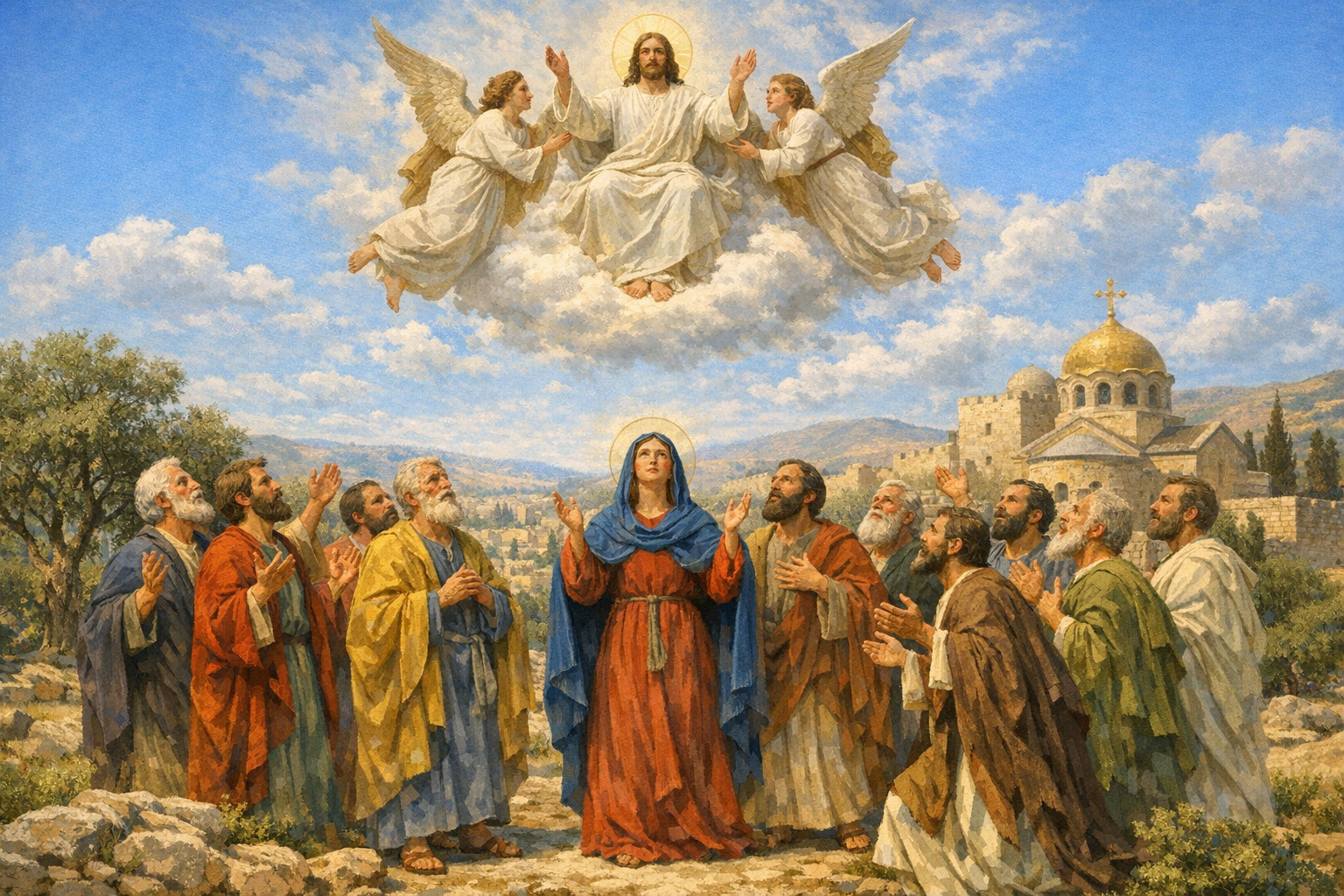
В сороковой день по Воскресении Господь наш Иисус Христос явился ученикам, говорил им о Царствии Божием и повелел не отлучаться из Иерусалима, но ожидать обетования Отца - сошествия Святого Духа.
Выведя учеников на гору Елеонскую, Господь благословил их и, когда они смотрели на Него, вознесся на небо. Облако взяло Его из вида их, и два мужа в белых одеждах возвестили апостолам, что Иисус, вознесшийся на небо, приидет таким же образом, как они видели Его восходящим.
Праздник Вознесения Господня открывает полноту совершенного Спасителем домостроительства: человеческое естество, воспринятое Сыном Божиим, возносится к престолу Отца. Господь не оставляет Церковь, но пребывает с нею невидимо, посылая ученикам силу свыше для проповеди Евангелия до концов земли.
В богослужении этого дня Церковь прославляет Христа, вознесшегося во славе и обожившего человеческое естество, и вместе с апостолами ожидает Утешителя - Святого Духа.
Feasts, fasts and events of the date
No fast.
✚ Ascension of the Lord
Двунадесятые переходящие
Lives and liturgical texts
The Ascension of our Lord
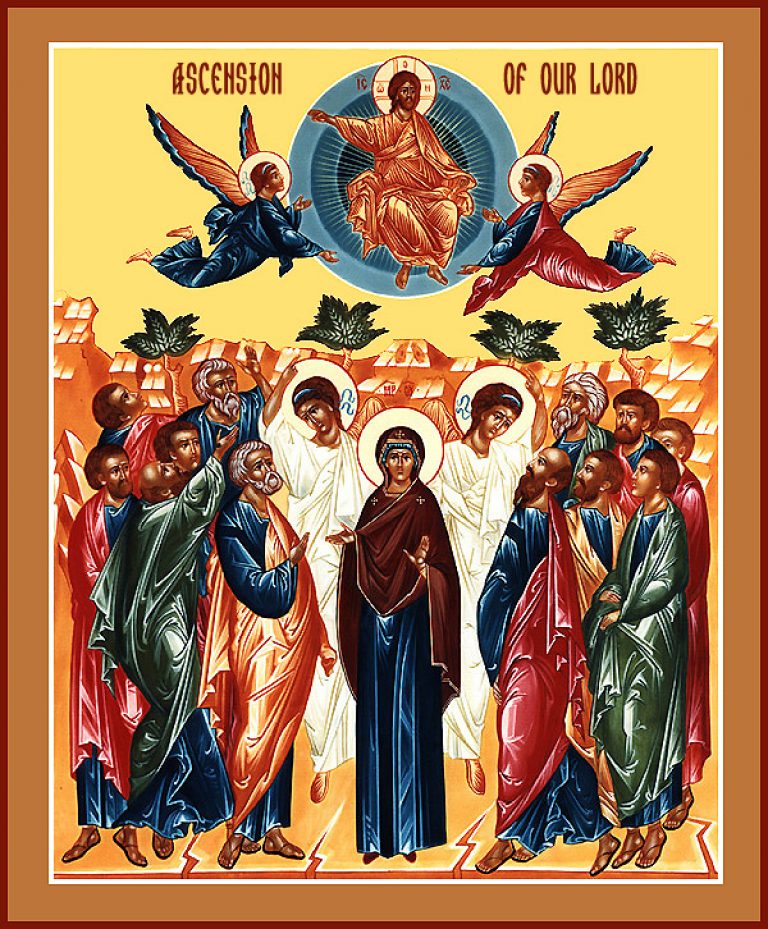
“AND ASCENDED INTO HEAVEN....” V. Rev. George Florovsky, D.D. “I ascend unto My Father and your Father, and to My God, and Your God” (John 20:17).
Equal of the Apostles and Emperor Constantine with his Mother Helen
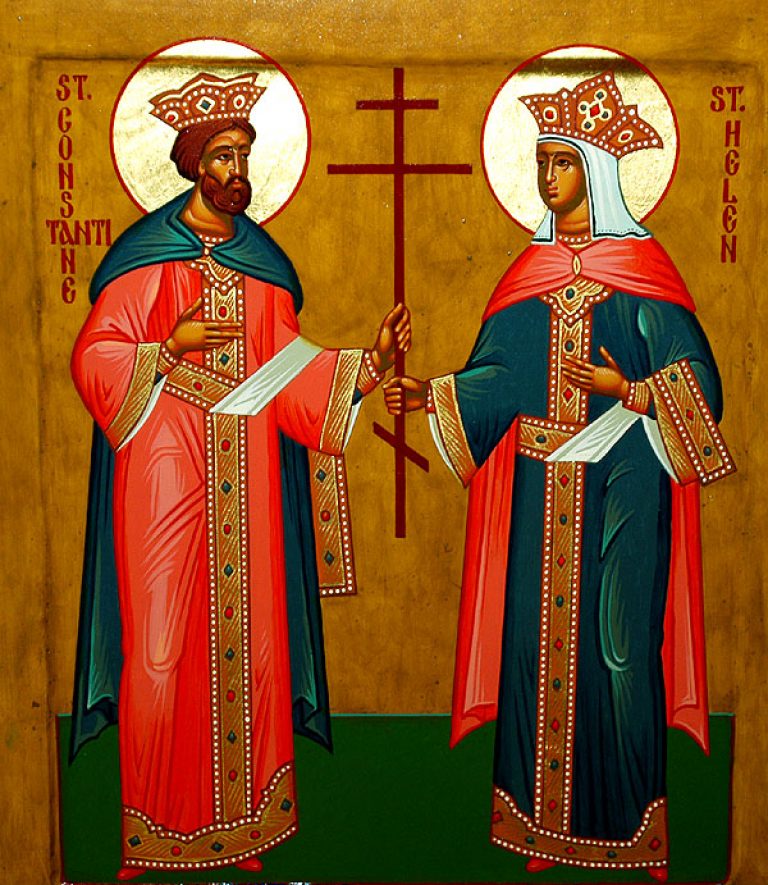
The Church calls Saint Constantine (306-337) “the Equal of the Apostles,” and historians call him “the Great.” He was the son of the Caesar Constantius Chlorus (305-306), who governed the lands of Gaul and Britain. His mother was Saint Helen, a Christian of humble birth. At this time the immense Roman Empire was divided into Western and Eastern halves, governed by two independent emperors and their corulers called “Caesars.” Constantius Chlorus was Caesar in the Western Roman Empire. Saint Constantine was born in 274, possibly at Nish in Serbia. In 294, Constantius divorced Helen in order to further his political ambition by marrying a woman of noble rank. After he became emperor, Constantine showed his mother great honor and respect, granting her the imperial title “Augusta.” Constantine, the future ruler of all the whole Roman Empire, was raised to respect Christianity. His father did...
Venerable Constantine, (in baptism Yaroslav), with his children Michael and Theodore, Wonderworkers of Murom

The Holy Princes Constantine and his sons Michael and Theodore of Murom lived during the eleventh-twelfth centuries. Prince Constantine, a descendant of Saint Vladimir, asked his father, Prince Svyatoslav of Chernigov, to give him the city of Murom, which was inhabited by pagans, so he might enlighten this land with the light of the Christian Faith. The prince sent his son Michael as emissary to the Murom people, but the pagans murdered him. When Prince Constantine arrived in the city with his retinue, the people quieted down and accepted him, but for a long time they would not give up paganism.
Venerable Cassian the Greek of Uglich
Today we commemorate Saint Cassian's patron Saint: the Holy Emperor Constantine the Great, Equal-of-the-Apostles, who received the name Constantine at his Baptism. When Saint Cassian became a monk, he was tonsured with the new name Cassian, in honor of Saint John Cassian (February 28), (February 29 in Leap Years). Sometimes, though not very often, a prominent Saint's own patron Saint is listed on the Church Calendar. Perhaps this is because someone like Venerable Cassian of Uglich (Úglich) was so profoundly influenced by the virtues of his patron Saint, that he tried to acquire those virtues as well. Orthodox Christians are urged to celebrate their Name Day by attending church on that day, and, if possible, to receive the Holy and Life-giving Mysteries. Moreover, they should be familiar with the Life of their Saint so that they too may acquire the virtues of their heavenly intercessor. I...
Meeting of the Vladimir Icon of the Mother of God

The Celebration of the Vladimir Icon of the Mother of God was established to commemorate the deliverance of Moscow from an invasion of Tatars led by Khan Makhmet-Girei in 1521. The Tatar hordes approached Moscow, burning and destroying Russian cities and villages, and exterminating their inhabitants. Great Prince Basil raised an army against the Tatars, while Metropolitan Barlaam and the people of Moscow prayed fervently for deliverance. At this time a certain pious blind nun had a vision. She saw Moscow’s bishop-saints exiting from the Savior gates of the Kremlin, forsaking the city and taking with them the Vladimir Icon of the Mother of God, the holiest object in the city of Moscow. This was God’s chastisement for the sins of its inhabitants. At the Savior gates the holy hierarchs were met by Saints Sergius of Radonezh (Sept. 25) and Barlaam of Khutyn (Nov. 6), tearfully imploring them...
“Tenderness” Icon of the Mother of God from the Pskov Caves
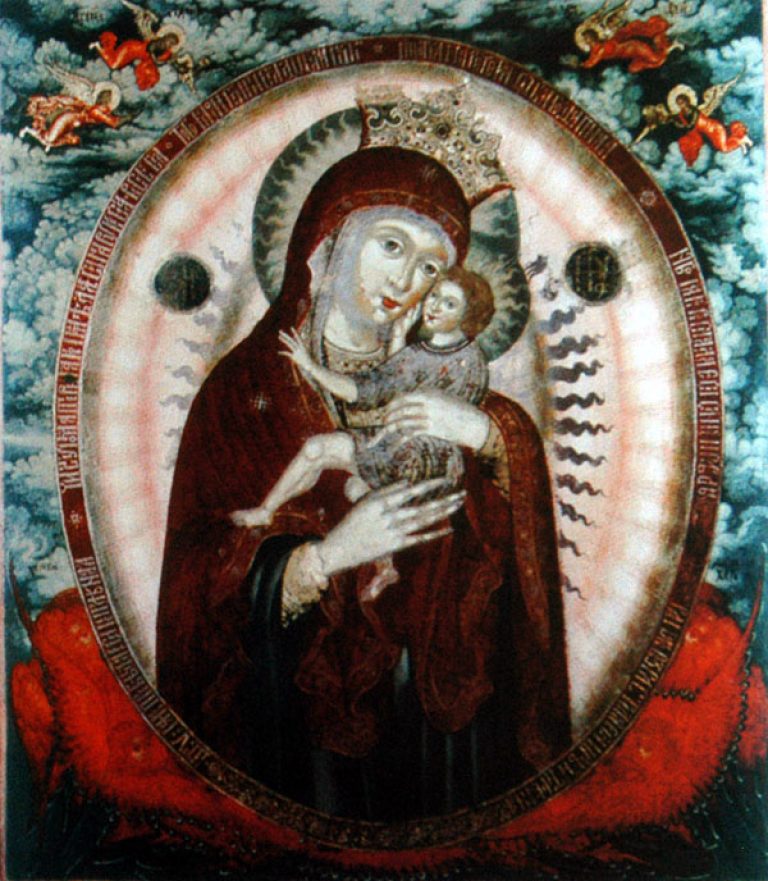
The sacred Tenderness Icon of the Most Holy Theotokos was painted and brought to the Pskov Caves monastery through the efforts of the devout Pskov merchants Basil and Theodore. It was transferred it to the town of Pskov in the year 1521, and was glorified by miracles of healing in 1524. The Tenderness Icon is especially honored as the protector of the city when it was besieged by the Polish King Stephen Bathory (1533-1586) in the year 1581. Both the Tenderness Icon and the Dormition Icon were glorified at that time. The Tenderness Icon is also honored on October 7, the day when Pskov was liberated from Napoleon's invasion in 1812. Other days on which the Tenderness Icon is commemorated are: June 23, August 26, and on the Seventh Sunday of Pascha.
Feasts & Saints
GOARCH Digital Chant Stand services: 2026-05-21
Calendar index day: 21-Thursday